Doula Care Is Becoming More Accessible: Why Insurance Is Starting to Cover Doulas
For many families, hiring a doula has always sounded wonderful in theory but difficult in practice. Cost has often been one of the biggest barriers preventing parents from accessing the kind of support they truly want during pregnancy, birth, and postpartum.
We’re starting to change that.
Across the country, insurance companies and healthcare systems are starting to recognize something birth workers and families have known for a long time: continuous support during birth improves outcomes.
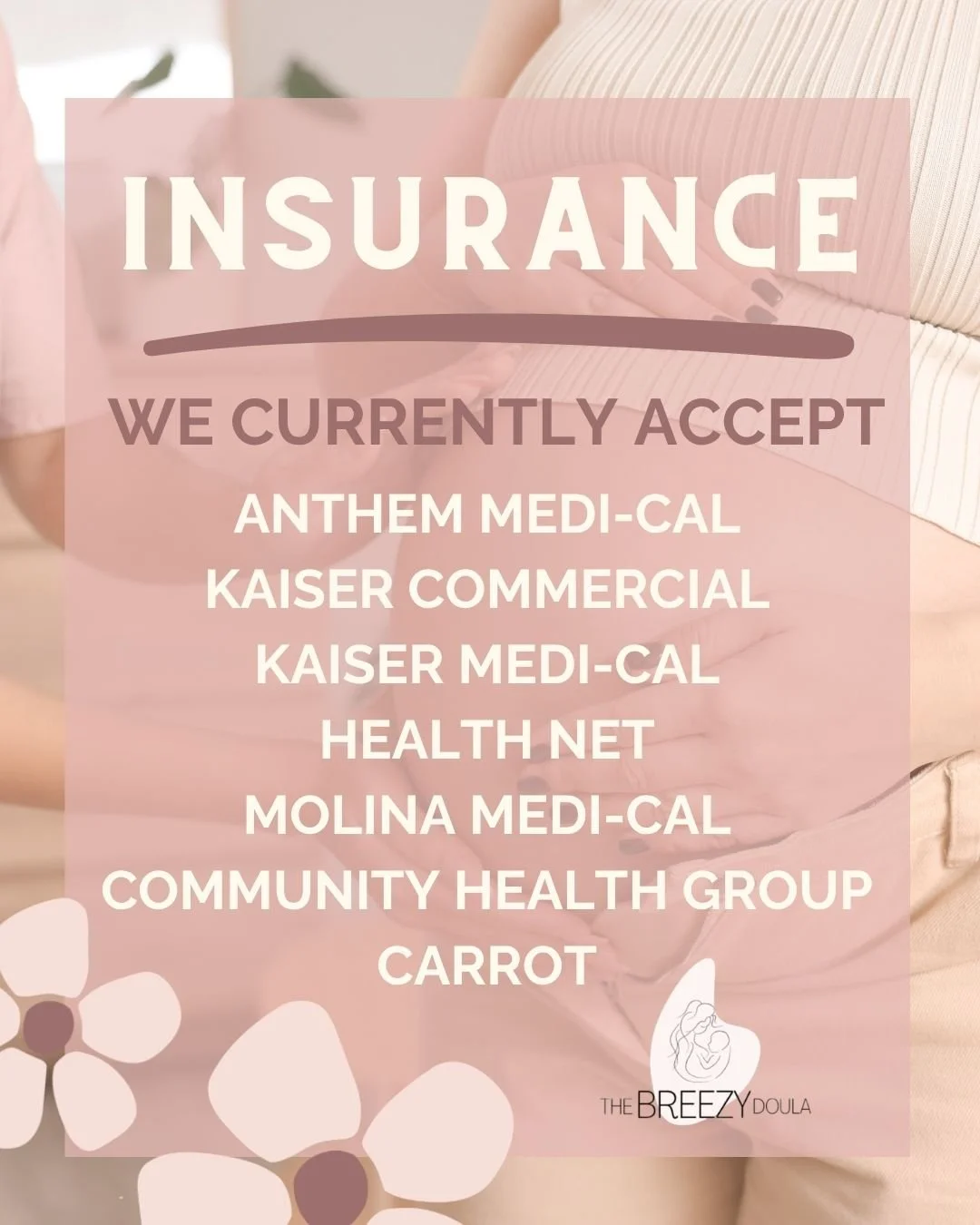
At Breezy Doula, we are incredibly excited to be moving toward accepting insurance for doula services. This step brings us closer to a goal we have always had, helping more families feel supported, informed, and truly able to enjoy one of the biggest transitions of their lives.

Why Insurance Companies Are Starting to Cover Doulas
Over the past two decades, research on doula support has grown significantly. One of the most well-known reviews analyzed 26 randomized trials involving more than 15,000 births to understand how continuous labor support impacts birth outcomes.
Families who had continuous labor support were more likely to have a vaginal birth and less likely to experience interventions such as Cesareans or heavy pain medication. Their labors tended to be shorter, and they were less likely to report negative feelings about their birth experience.
Babies also benefited. They were less likely to have complications at birth or require admission to the NICU.
The strongest outcomes occurred when that continuous support was provided by a trained doula who was not part of the hospital staff and not part of the birthing person’s social circle.
Because of evidence like this, many healthcare systems and insurance providers are beginning to view doulas as an important member of the birth care team.
What a Birth Doula Actually Does
A birth doula is a trained support person who stays with you throughout labor and birth.
Support from a doula is both practical and emotional. During labor, doulas use comfort techniques such as massage, counterpressure, and soothing touch. They help create a calm birth environment, assist with movement and positioning, and support things like water therapy, nourishment, and rest.
Equally important is emotional support. Encouragement, reassurance, and steady presence can make an enormous difference during labor. Many families say that simply having someone who understands birth and stays with them throughout the process helps them feel more confident and grounded.
Doulas also provide informational support. They help families understand their options, encourage thoughtful questions, and support parents in making informed decisions about their care.
While doulas do not replace medical providers or birthing partners, they can help families feel more prepared to communicate with their care team and advocate for their preferences.
Supporting Partners During Birth
Doulas also work closely with partners.
Many partners want to be deeply involved in the birth but feel unsure how to help in the moment. A doula can guide partners through hands-on comfort techniques, help them understand what is happening during labor, and give them opportunities to rest or step away when needed.
Research has shown that partners often report more positive birth experiences when a doula is present because they feel supported rather than solely responsible for the entire labor experience.
Birth becomes a collaborative effort rather than something one person has to manage alone.
Postpartum Doula Support
Support does not end when the baby arrives.
The early postpartum weeks can be beautiful, emotional, exhausting, and very overwhelming all at the same time. Postpartum doulas help families navigate this transition with hands-on support inside the home.
This may include newborn care while parents rest or shower, breastfeeding or bottle-feeding support, preparing nourishing meals for recovery, helping with light household tasks, and tending to older children while parents bond with the baby.
Postpartum doulas also provide emotional reassurance during a time when many families are adjusting to new routines, sleep deprivation, and major life changes.
Having a knowledgeable, supportive presence during this time can make a tremendous difference.
We have Helped Over 500 Families and Counting
Since Breezy Doula began supporting families, our team has had the honor of walking alongside more than 500 families during pregnancy, birth, and postpartum.
Every birth story is different. Every family’s needs are unique. What remains consistent is how powerful it can be to have someone there who understands the process and is focused entirely on supporting you.
Expanding access through insurance coverage allows us to bring that support to even more families in our community.
Why This Step Matters
Birth support should not only be available to families who can comfortably pay out of pocket.
As the healthcare system continues to recognize the value of doulas, insurance coverage has the potential to make this kind of care accessible to a much wider range of families.
For us, this shift represents something bigger than a business change. It represents progress toward a future where compassionate, evidence-based birth support is considered a normal and expected part of maternity care.
Curious About Insurance Coverage for Doula Support?
Insurance plans vary widely, and coverage often depends on the details of your specific policy.
If you are interested in working with a birth or postpartum doula and want to learn whether your insurance may cover support, please reach out to our team and we would be happy to walk you through the next steps.
During a consultation, we can answer questions, learn more about your birth goals, and help you understand what support may be available through your plan.
Our mission has always been simple: help families feel supported, informed, and confident as they welcome their babies into the world.
Moving toward insurance coverage helps us continue that mission with even more families.
And we are just getting started.