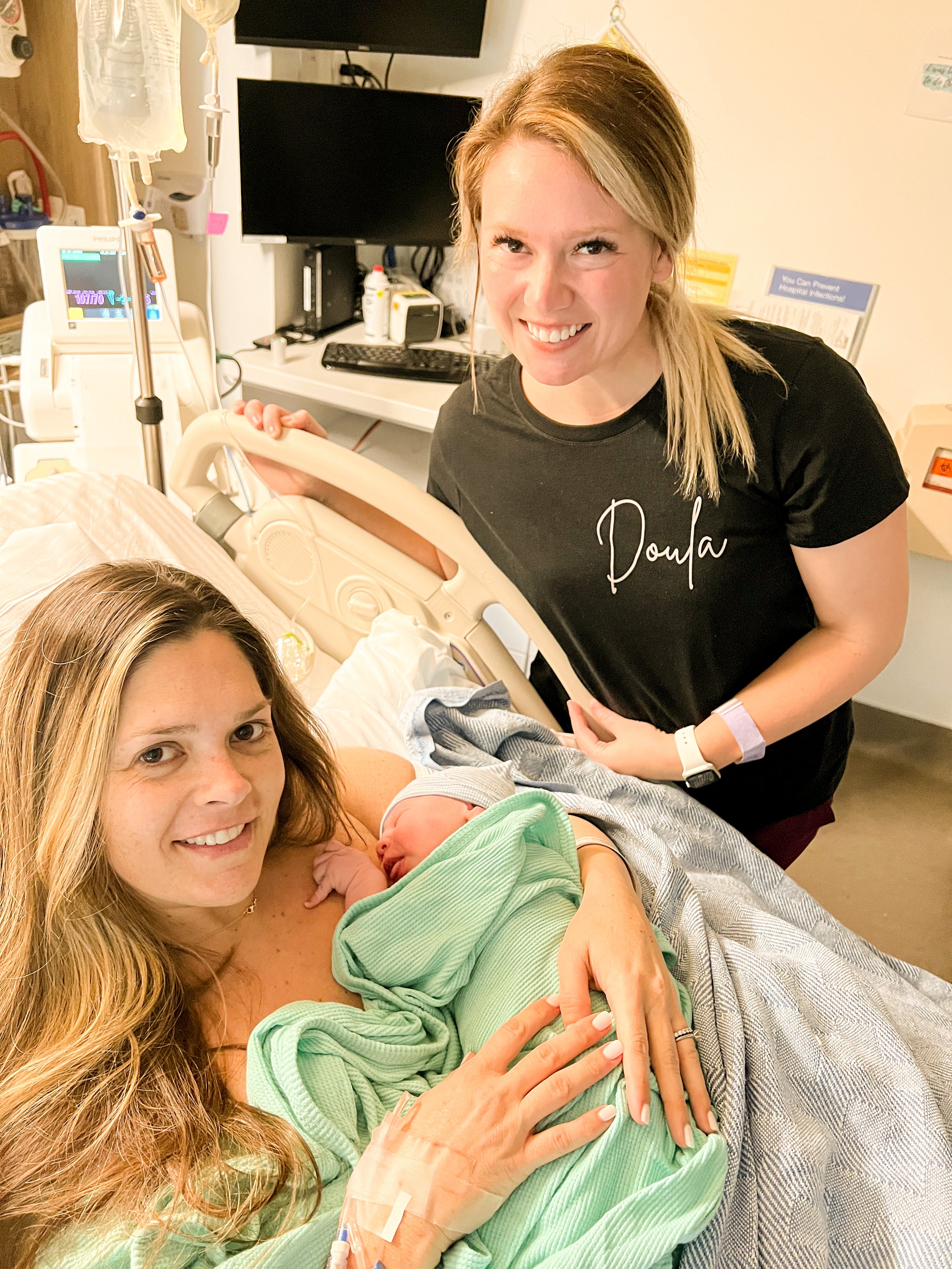
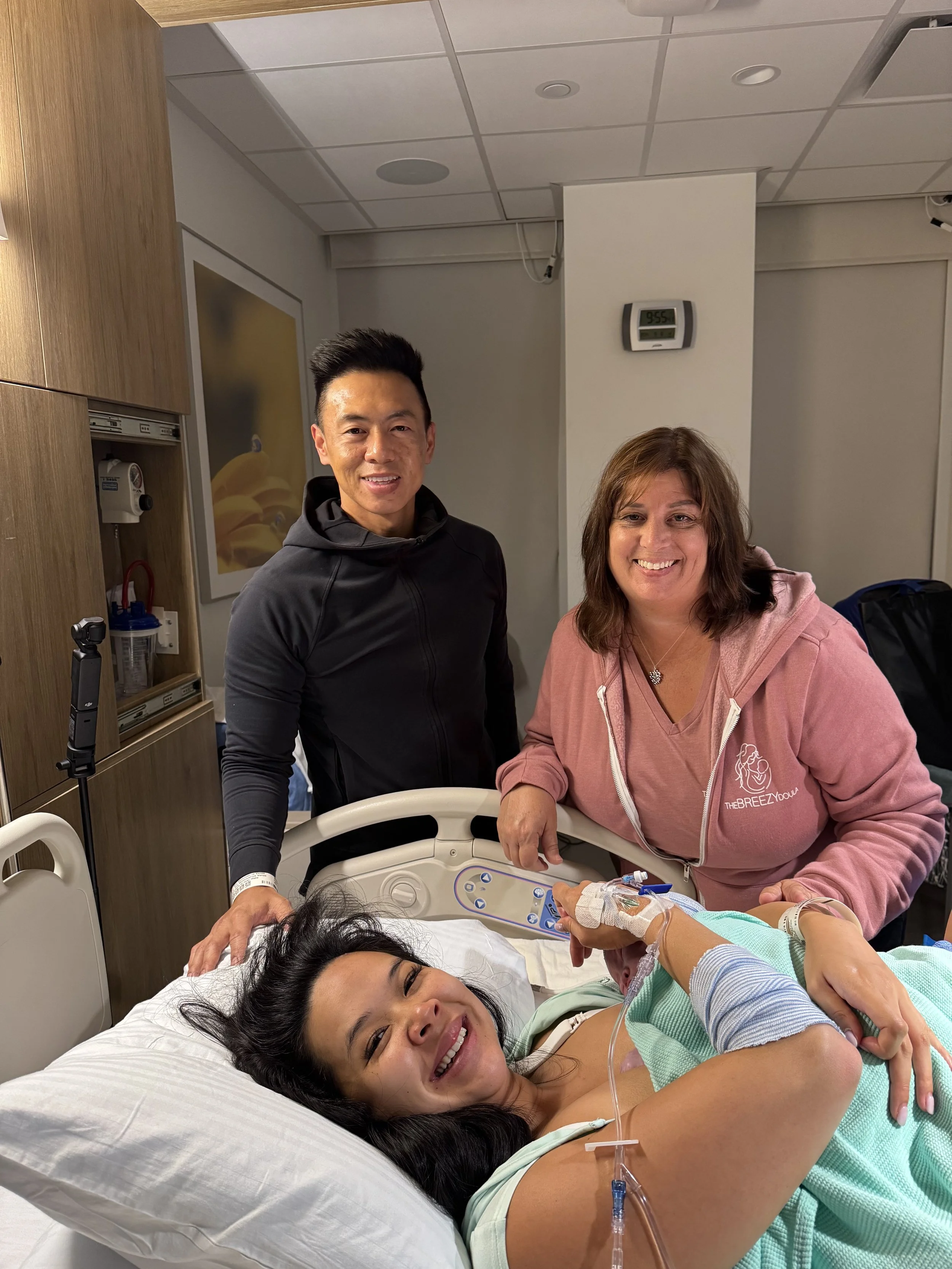
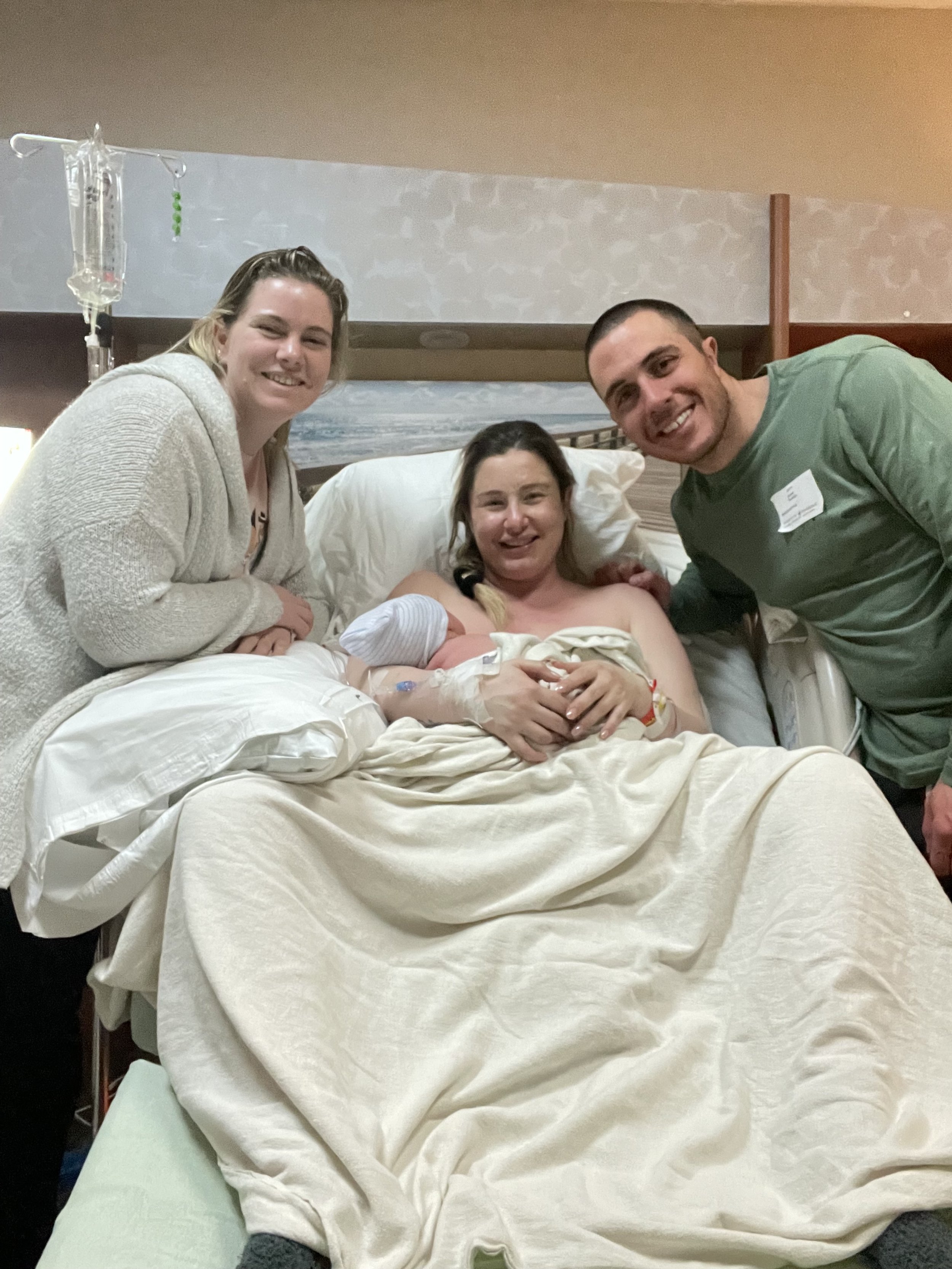
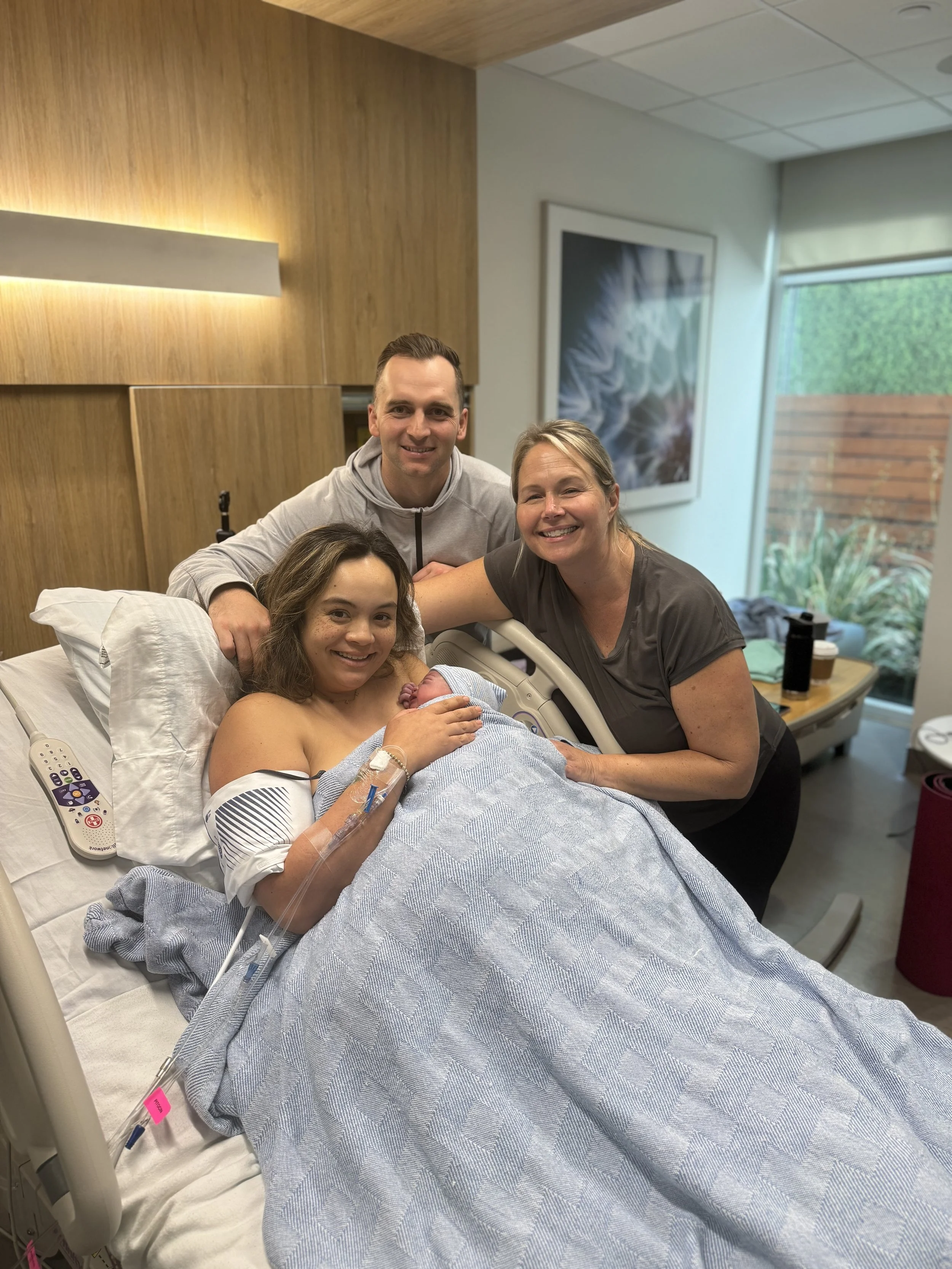
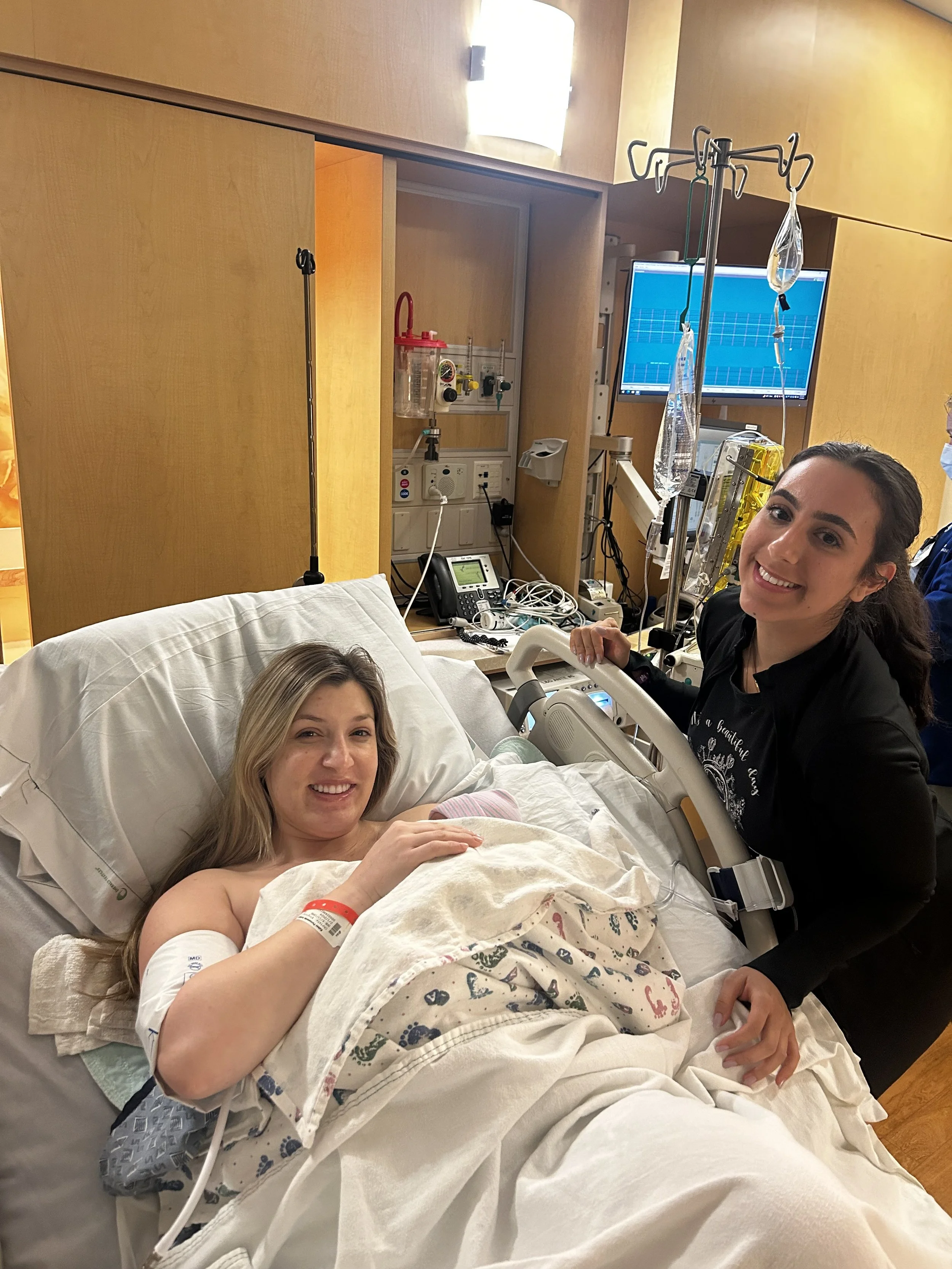
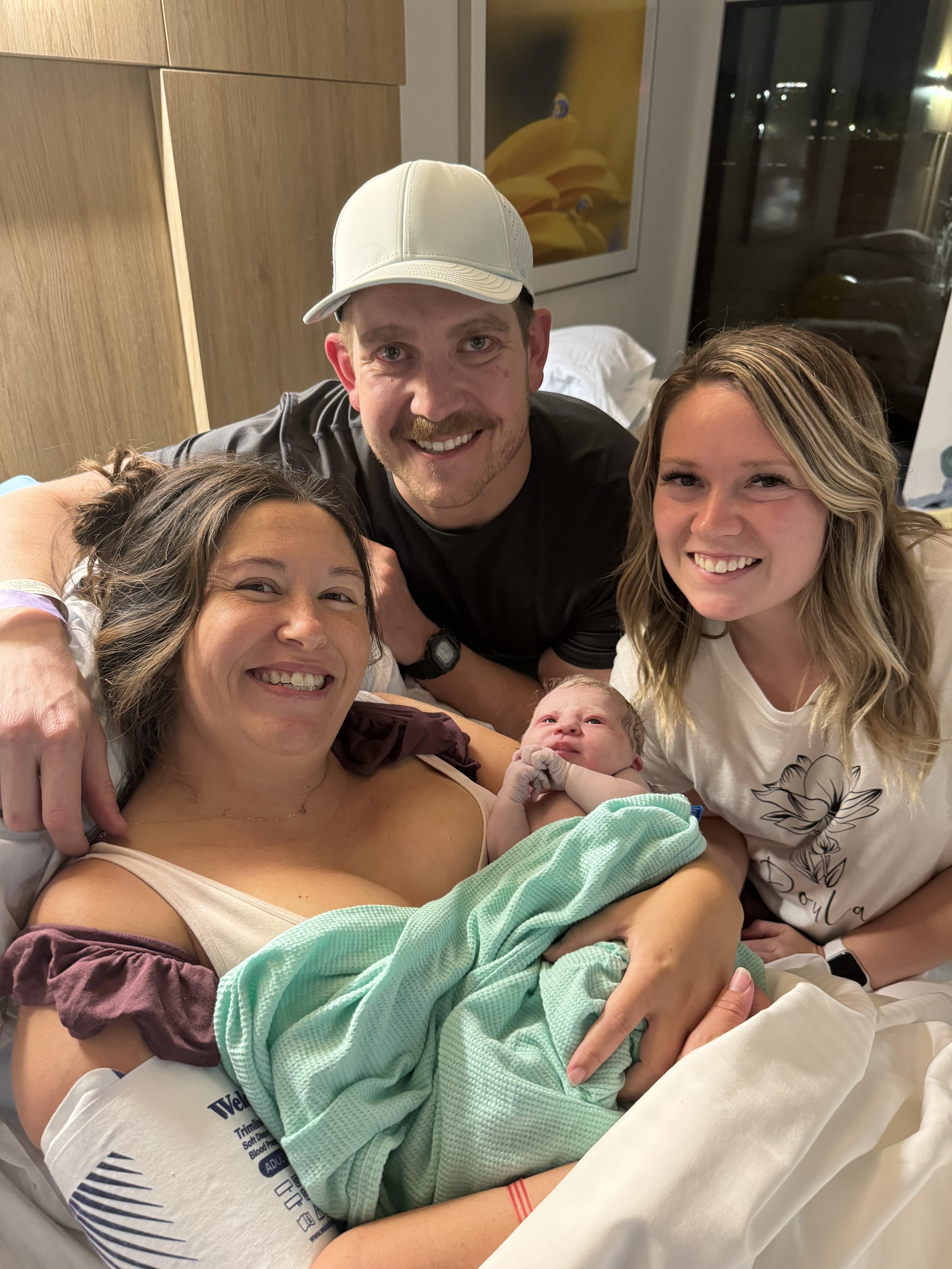
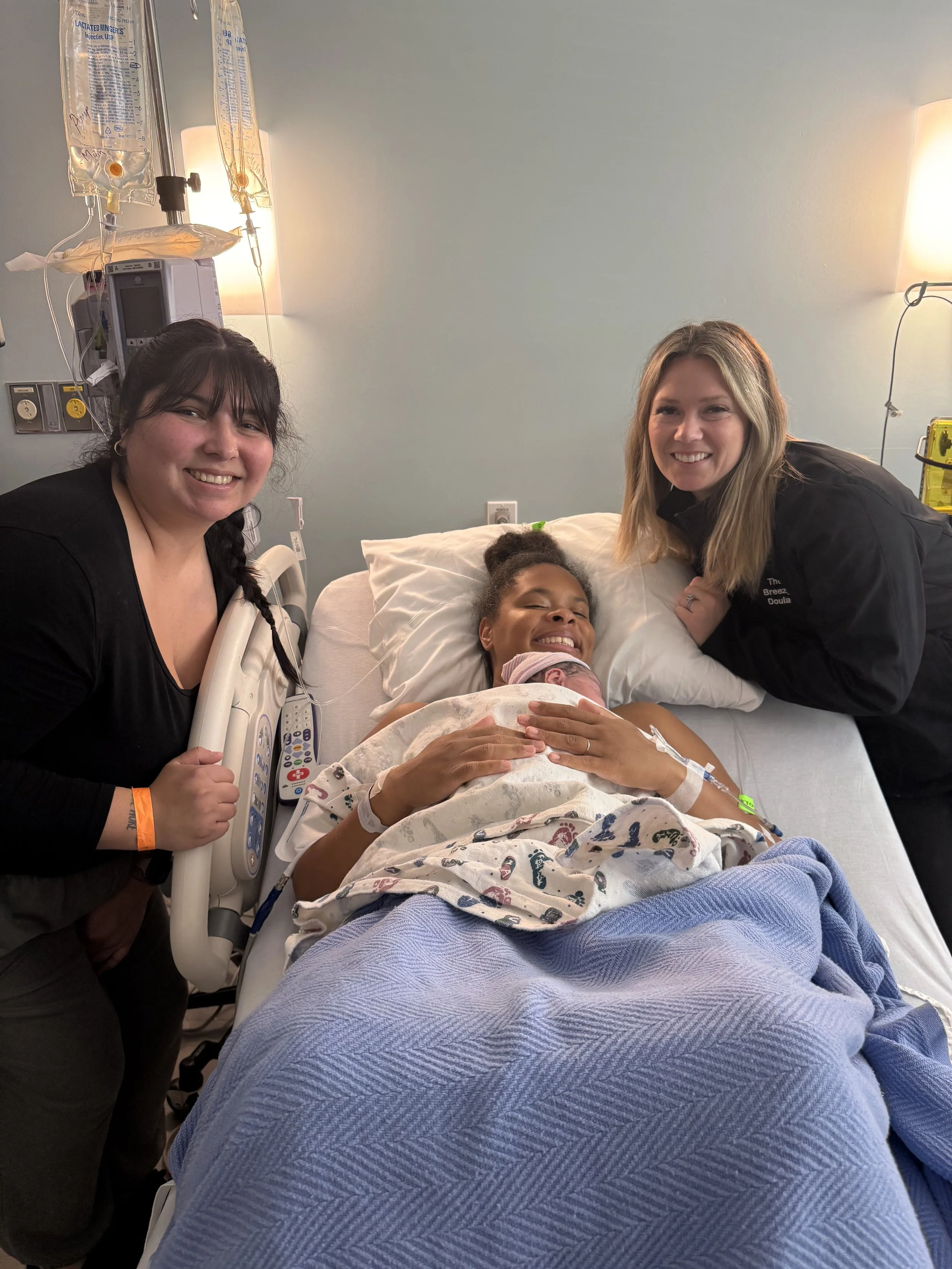
Welcome to The Breezy Blog
Doula Care Is Becoming More Accessible: Why Insurance Is Starting to Cover Doulas
For many families, hiring a doula has always sounded wonderful in theory but difficult in practice. Cost has often been one of the biggest barriers preventing parents from accessing the kind of support they truly want during pregnancy, birth, and postpartum.
We’re starting to change that.
Across the country, insurance companies and healthcare systems are starting to recognize something birth workers and families have known for a long time: continuous support during birth improves outcomes.
What Is a Bishop Score And Why Does It Matter Before Induction?
It’s such a common experience to have providers start talking about induction towards the end of your pregnancy…
Sometimes it is medically indicated. Sometimes it is elective. Sometimes it is presented as routine.
But before you agree to an induction, there is one very important question to ask:
“What is my Bishop score?”
This is something our birth doulas at Breezy ask about all the time when families are navigating the induction decision. Because your Bishop score gives important information about how ready your body actually is for labor.
Let’s break down what it is, what it measures, and why it matters.
Natural Ways to Encourage Labor (And What the Evidence Actually Says)
As you get closer to your due date, it is completely normal to start wondering:
Is there anything I can do to help labor start naturally?
Before we dive in, here is something important to understand. Labor is a complex hormonal process. For labor to begin, your baby, your placenta, your uterus, and your brain all need to be in alignment. No single method can override that beautifully intricate system.
Preparing your home for postpartum recovery
Bringing a baby home is a huge transition. Your body is healing, your hormones are shifting, sleep looks different, and suddenly your home becomes the center of everything. Preparing your space ahead of time can make postpartum feel less overwhelming and much more supportive.
These tips come straight from real-life experience and the wisdom of our postpartum doulas who have supported hundreds of families through those early weeks. Small changes now can make a big difference later.
How To Know Your Provider Is Right For You
Choosing a care provider is one of the most important decisions you’ll make during pregnancy. This is the person (or team) who will guide you through months of care and be present during one of the most vulnerable, powerful moments of your life. So how do you choose your provide?
Daily Activities for an Easier Birth
Your pelvis is designed to move. The muscles, ligaments, and joints surrounding it respond to posture, movement, and tension patterns. When those areas stay balanced and mobile throughout pregnancy, labor often feels more productive and less exhausting.
An easier birth is not about forcing outcomes or doing everything perfectly. It is about creating space, balance, and flexibility so your body can work with contractions rather than against them.
Below are simple daily activities we often recommend to support pelvic balance, comfort in pregnancy, and efficiency in labor.
The Truth About Due Dates, Going Past 40 Weeks, and Supporting Labor Naturally
For many families, the due date becomes a psychological finish line. Once it passes, the questions start coming quickly.
“Any signs yet?”
“When are you getting induced?”
“Aren’t you worried about going late?”
But here’s the truth that doesn’t get talked about enough: a due date is not a deadline. It’s an estimate. And for many healthy, low-risk pregnancies, going past that date is not only normal, it’s expected. Our team calls it due time rather than due date.
Understanding what a due date really means, and what options you have if you approach or pass 41 weeks, can help you feel calmer, more confident, and far less pressured during the final weeks of pregnancy.
One of Our Favorite Photographers: Jennifer Imus
At Breezy, we are intentional about the spaces we choose to support growing families. One of those spaces is the beautiful studio where we host our hypnobirthing classes, Jennifer Imus Photography. We are excited to spotlight Jennifer and the meaningful work she does for families in our community.
What to Do in Early Labor and Why It Matters
Early labor can feel confusing. Contractions may be irregular, sensations may come and go, and many parents wonder, Should I be doing something right now or just waiting?
Early labor is not just a waiting period. It is an important phase where your body is laying the foundation for active labor. What you do during this time can influence comfort, progress, and how supported you feel when labor intensifies.
Understanding why early labor works best when you feel safe, comfortable, and supported can help you move through this stage with more confidence and less stress.
When to Go to the Hospital and What Real Labor Looks Like
One of the biggest questions families ask in late pregnancy is, “How will I know when it’s really time to go to the hospital?”
Movies and TV make labor look sudden and obvious, but real labor often unfolds gradually Actually staying home and giving yourself space to feel comfortable will help progress labor better than rushing to an unfamiliar space. Knowing what true labor looks like, how contractions change, and what signs matter most can help you feel calmer and better prepared when the moment comes.
How to Use the BRAINS Tool in Birth: Making Informed, Confident Decisions During Labor
Pregnancy and birth come with many decisions. Some are expected and discussed ahead of time, while others arise unexpectedly in the middle of labor, when emotions are high and time can feel limited. This is where having a simple, trusted framework can make all the difference.
What to Pack in Your Hospital Bag for Labor and Birth
Packing your hospital bag can feel exciting and overwhelming, or somewhere in between. You want to feel prepared without overpacking, comfortable without bringing your entire house, and confident that you will have what you truly need when labor begins. The good news is that you do not need much to birth your baby. A thoughtfully packed hospital bag can help you feel prepared as you head into labor and recovery. This guide walks you through what to pack for labor, postpartum recovery, your partner, and your baby, plus what you can safely leave at home!
How To Prepare For Labor When You’re Afraid Of The Pain
If you’re feeling afraid of labor pain, you are not alone. Fear of pain is one of the most common concerns we hear from expecting parents, even those who feel confident in many other areas of pregnancy. Labor is unfamiliar, intense, and deeply physical, and our culture often reinforces the idea that birth is something to endure rather than experience. The truth is, labor sensations are not just about what your body is doing. They are also shaped by how supported, informed, and safe you feel. Understanding what actually causes labor pain and learning how to work with your body, rather than against it, can dramatically change how labor feels.
What To Know About Birthing Positions: Comfort and Working With Your Body
When we think about labor, many of us picture birth happening in one position, on the back, legs supported, waiting for the baby to arrive. While that image is common, it doesn’t reflect how birth often works best for most bodies. Birthing positions play a powerful role in comfort, empowerment, contraction efficiency, and how baby moves through the pelvis.
What Is a Postpartum Doula and How Do They Support Families After Baby Arrives?
Postpartum doulas offer evidence-based care, emotional support, and hands-on help to make the early days with your baby smoother and less overwhelming. Their role isn’t to take over parenting but to gently guide and walk beside you as you learn your newborn’s cues and settle into your new rhythm.
A postpartum doula supports the whole family by helping with:
Newborn care education
Feeding support (breastfeeding, pumping, bottle-feeding)
Soothing techniques and sleep shaping
Parental rest and recovery
Emotional support after birth
Light household tasks that reduce stress
Helping partners feel confident and involved
Normalizing postpartum transitions
Postpartum doulas bring a calm, grounding presence that steadies those early unpredictable days.
How to prepare for birth: Emotional Support, Advocacy, and Classes to Empower Parents
Birth can feel overwhelming without preparation — even when you have a supportive partner or medical team. That’s where emotional guidance, advocacy, and prenatal education come in. Knowing how to navigate fear, communicate your preferences, and support your birthing person through labor transforms the experience.
In this post, we’ll explore how emotional support and advocacy change the way families experience birth, how partners can step confidently into their roles, and how classes like HypnoBirthing® and Spinning Babies® give families practical tools to feel grounded, empowered, and ready for whatever unfolds.
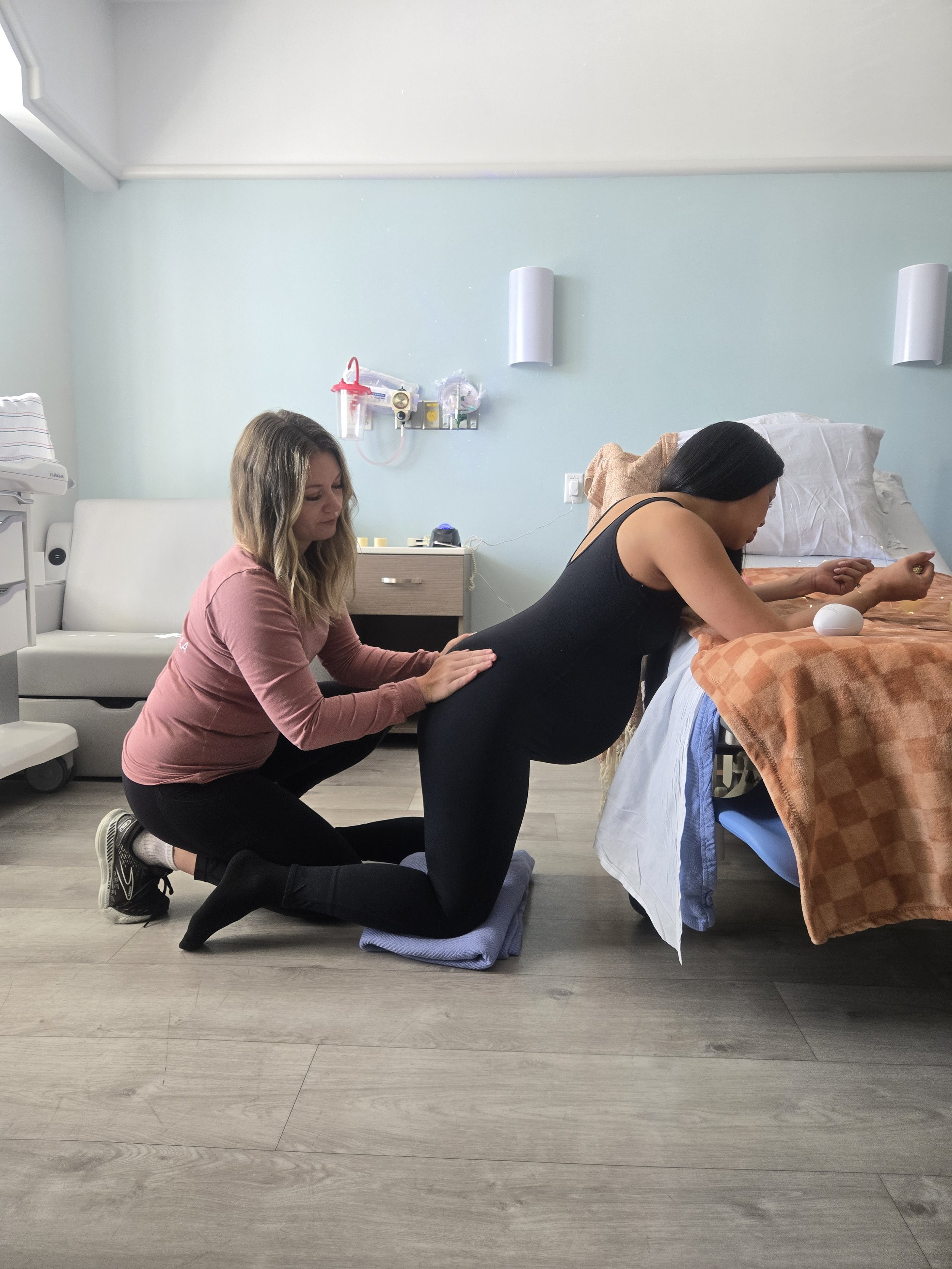
What is a birth doula and how do they help during labor?
Learn what a birth doula is and how doulas support you through pregnancy, labor, the golden hour, and postpartum. Discover the benefits of continuous doula support for a calmer, more empowered birth experience.
What is Birth and postpartum Support and Why Does it matter?
What does your ideal birth look like — calm and connected, empowering and supported, or something else entirely? No two births are the same, and the support you have can make all the difference in how confident, safe, and empowered you feel. Birth support isn’t just a “nice-to-have” — it’s a key factor in reducing stress, improving outcomes, and helping families navigate their choices in a way that feels right for them.