

Welcome to The Breezy Blog


3 Types of Comfort Measures Our Birth Doulas Use During Labor
When you think about preparing for labor, you might picture breathing techniques or finding the perfect birth position. But one of the biggest things we teach our families is that you have more options for managing the sensations of labor than you might realize.
At The Breezy Doula, we use a variety of comfort measures to help our families feel supported, grounded, and more comfortable throughout labor. Some tools give you something physical to focus on, some help create a calming environment, and others involve hands-on support from your birth team.

3 Breathing Techniques to Practice Before Labor
When a contraction begins, one of the simplest tools you have with you is something you’re already doing every second of the day: your breath.
Breathing techniques can give you something steady to focus on, help you stay connected to your body, and give your partner a simple way to support you during contractions. Breathing can help you stay grounded and relaxed while your body does the work of labor.
And just like any other birth tool, breathing is something you can practice before your baby arrives. Here are three simple techniques we teach families to add to their birth toolbox.

How to Write a Birth Plan: What to Include and Why It Matters
Your birth plan is not about mapping every second of your birth. Because the truth is, birth can be unpredictable. Your preferences may stay exactly as you imagined them, or circumstances may change and require you to make different decisions.
So why make a birth plan at all?
Birth preparation isn't about controlling your birth. It's about understanding your options, knowing what matters to you, and communicating those preferences with the people supporting you.
How to Identify Early Labor: 3 Signs Your Body May Be Getting Ready
Early labor can look very different from one person to the next. Sometimes the signs are obvious, and sometimes your body is quietly making changes for days or even weeks before active labor really begins.
Knowing what to look for can help you feel more confident about what is happening and when it may be time to contact your care team. Here are three common signs that labor may be approaching.
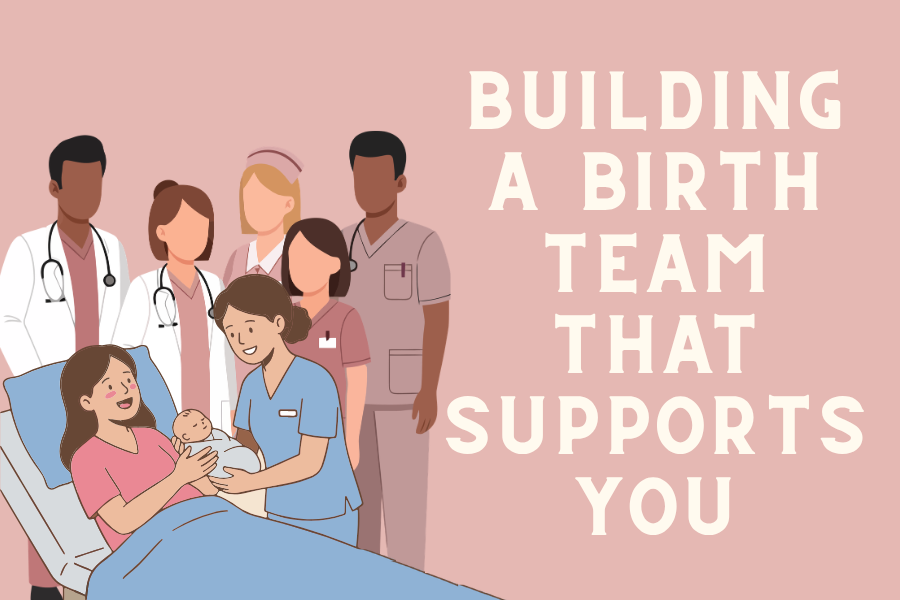
Choosing Your Birth Provider: Building a Birth Team That Supports You
When it comes to preparing for birth, one of the most important decisions you’ll make is who you want by your side.
Your birth provider isn’t just the person who delivers your baby.
They are an important part of your birth team, and their approach to labor, interventions, movement, informed consent, and your preferences can have a meaningful impact on your experience.
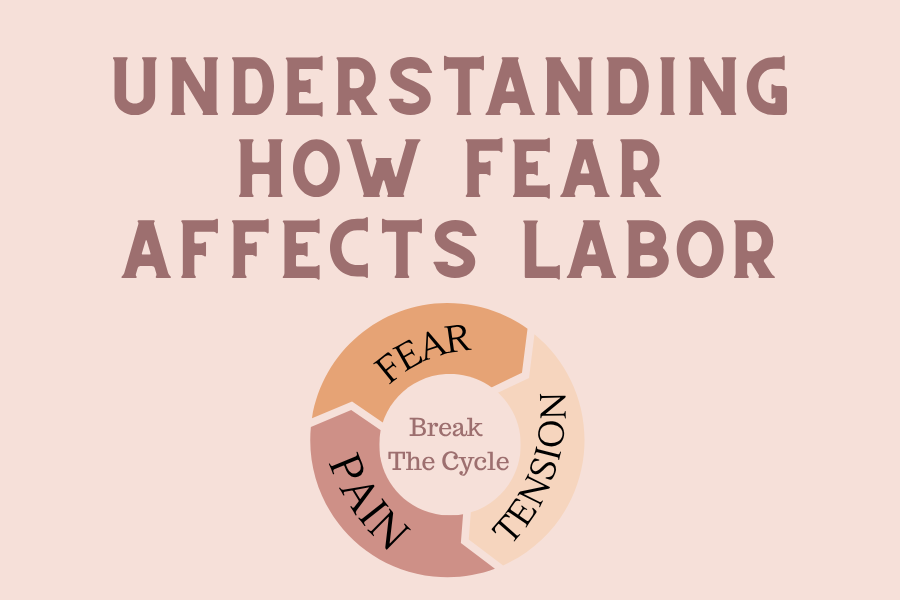
The Fear-Tension-Pain Cycle: Understanding How Fear Affects Labor
Have you ever wondered why the same contraction can feel completely different depending on how you are feeling?
One of the most important things we teach in childbirth education is that birth isn't just physical. Your brain, nervous system, emotions, environment, and support system can all influence how you experience labor.
We don’t mean you just “think” your way into an easy Breezy birth. Labor is intense, and pain is a normal part of the process. But understanding the relationship between fear, tension, and pain can give you practical tools to make labor feel more manageable and help you feel more in control. Lets talk about it.

Epidurals in Labor: When Is It a Good Idea?
When you think about birth, you may already have an idea of whether or not you want an epidural.
Maybe you're hoping to labor without medication. Maybe you know you would like an epidural. Or maybe you're keeping your options open and want to understand what it actually looks and feels like before you're in the middle of labor.
Our philosophy at The Breezy Doula is simple: you don't have to decide today. You just need to understand your options.
An epidural is not a failure. It is a tool, and for many families, it can be an incredibly helpful one.
Creating Your Postpartum Support Plan: The Resources Every New Parent Should Have Before Baby Arrives
When preparing for birth, it's easy to focus on packing your hospital bag, installing the car seat, and finishing the nursery. But one of the most important preparations happens after your baby is born.
The postpartum period is one of the biggest transitions you'll ever experience. Your body is healing, you're learning your baby, your hormones are shifting, and you're adjusting to a completely new routine. As birth and postpartum doulas, we've supported more than 500 families through pregnancy, birth, and the postpartum period. One thing we've learned is that healing was never meant to happen alone. Helping you build your support team is a part of the care we do! We connect families with trusted professionals in our community so they have an entire village ready to support them. Here are some of the providers we recommend most often.
Back Labor! Do These Movements & Positions
If you've ever heard someone describe labor as "all in my back," they're likely talking about back labor.
Back labor can be one of the most intense forms of labor discomfort because each contraction is felt primarily in the lower back instead of just the abdomen. While every birth is different, back labor is often associated with a baby whose head is putting extra pressure on the back of the pelvis, especially when baby is in an occiput posterior (OP or "sunny-side up") position.
The good news? Movement can make a tremendous difference.

My Water Broke! Now What?
If movies have taught us anything about labor, it's this:
A pregnant person's water suddenly breaks in the middle of the grocery store, everyone starts panicking, someone yells, "The baby's coming!" and it's an immediate race to the hospital.
In reality? For many families, that's not what happens at all.
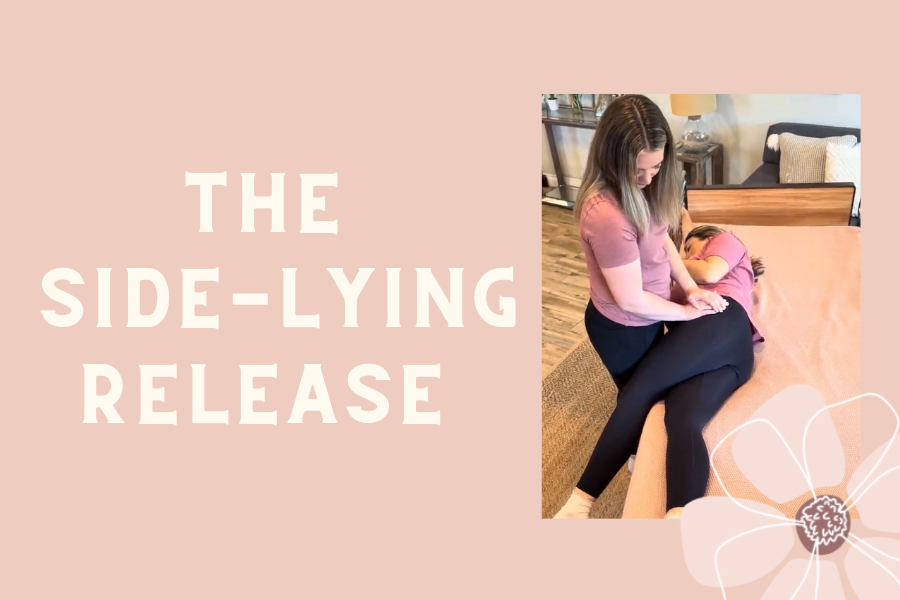
Side-Lying Release: A Simple Technique That Can Make Labor More Comfortable
If you've taken one of our Spinning Babies® Parent Classes, you've probably heard us talk about the importance of balance before birth.
One of our favorite techniques is the Side-Lying Release. Although it looks simple, this movement can help create more balance in the muscles and ligaments surrounding the pelvis, giving baby the space they need to rotate and descend more efficiently.

Cervical Exams Explained: What They Tell You (And What They Don't)
During labor, cervical exams are commonly used to assess labor progress.
But what exactly are providers checking for? Are cervical exams necessary? And what does the research actually say?
Let's break it down.
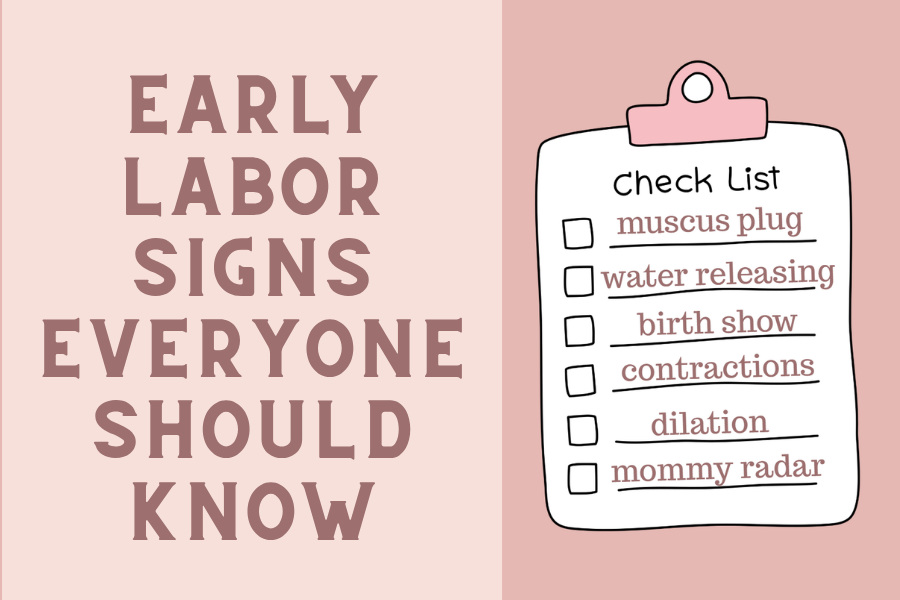
Do You Know the Signs? Early Labor Signs Every Expecting Mom Should Know
As your due date approaches, it's completely normal to start analyzing every cramp, every trip to the bathroom, and every new sensation.
"Was that a contraction?"
"Did my water just break?"
"Am I in labor?"
The truth is that labor rarely starts like it does in the movies. There is usually no dramatic rush to the hospital. Instead, labor often gives subtle clues that your body and baby are getting ready. And perhaps the most important thing to remember:
There is no exact timeline.
Some signs mean labor could be hours away. Others can happen days or even weeks beforehand. Every mom and every baby have their own rhythm.
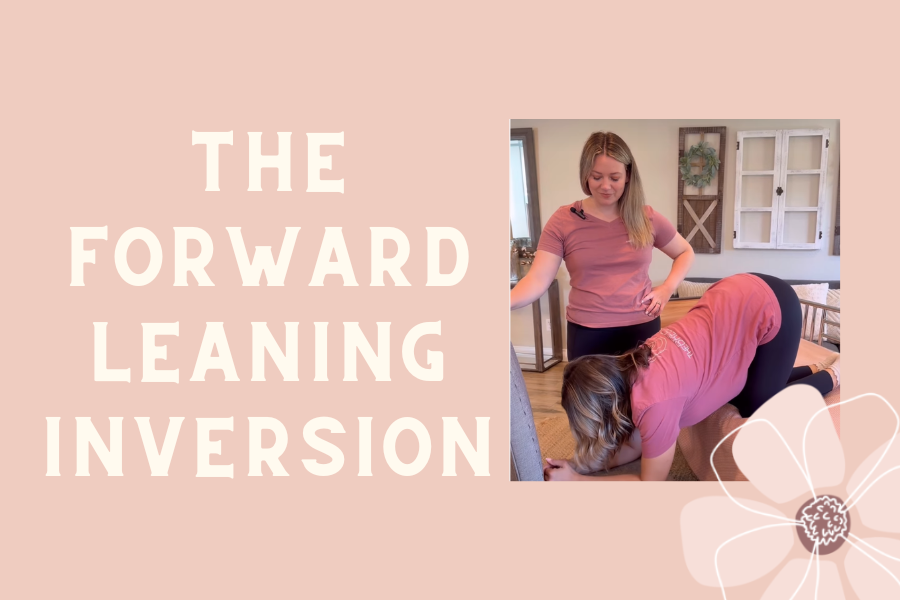
Forward Leaning Inversion: How It Works, and How to Do It Safely
If you've spent any time researching natural ways to encourage optimal fetal positioning, you've probably heard of the Forward Leaning Inversion.
This movement is one of the most well-known techniques from Spinning Babies® and is commonly used by families hoping to encourage better fetal positioning, improve comfort in pregnancy, and sometimes help a breech baby find the space needed to turn head down.
At The Breezy Doula, this is one of the most frequently recommended Spinning Babies® activities because it is simple, and often helps create more balance within the pregnant body.

Medical Induction Methods, Easily Explained
As your due date approaches, you may start hearing more conversations about induction. For some families, induction becomes part of the plan for medical reasons. For others, it may be offered simply because they've reached a certain point in pregnancy. No matter why induction is being discussed, it helps to understand what the different methods actually are. Understanding your options can help you ask better questions, make informed decisions, and feel more confident if induction becomes part of your birth story.
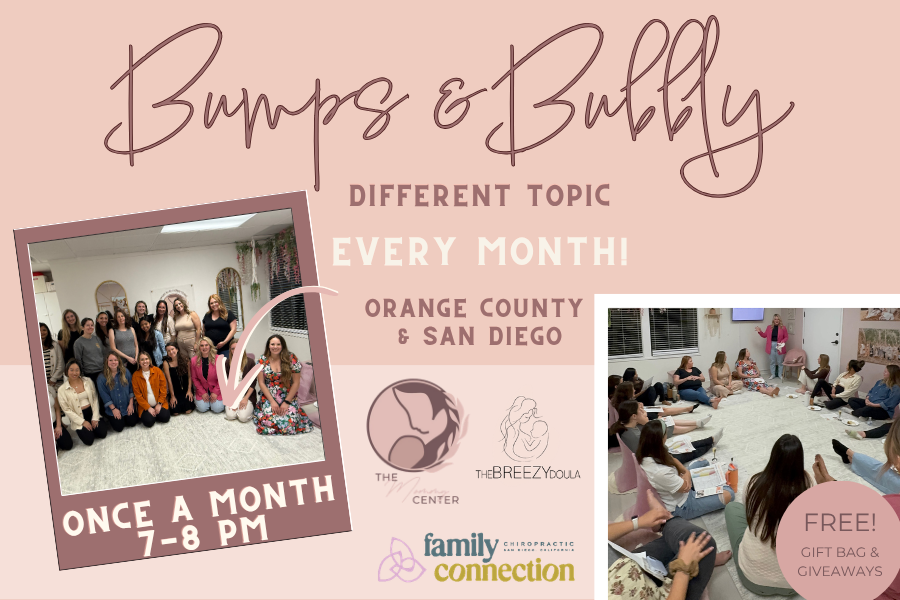
Bumps & Bubbly: Free Birth Education and Community for Orange County & San Diego Families
Pregnancy can feel exciting, overwhelming, beautiful, and lonely all at once.
One moment you’re researching strollers at midnight, and the next you’re wondering who you’re even supposed to ask about pelvic floor therapy, breastfeeding support, or what labor actually feels like.
That’s exactly why we created Bumps & Bubbly.
Why Continuous Fetal Monitoring Is Often Overused
When you walk into a hospital to give birth, one of the most common things you’ll see is a monitor being placed on your belly.
This is called electronic fetal monitoring (EFM), and for many families, it becomes a routine part of labor without much discussion.
But what most people don’t realize is that continuous fetal monitoring is not always necessary, and in many cases, it’s used far more often than evidence supports.
Understanding what it is, why it’s used, and what your options are can help you make more informed decisions during your birth.
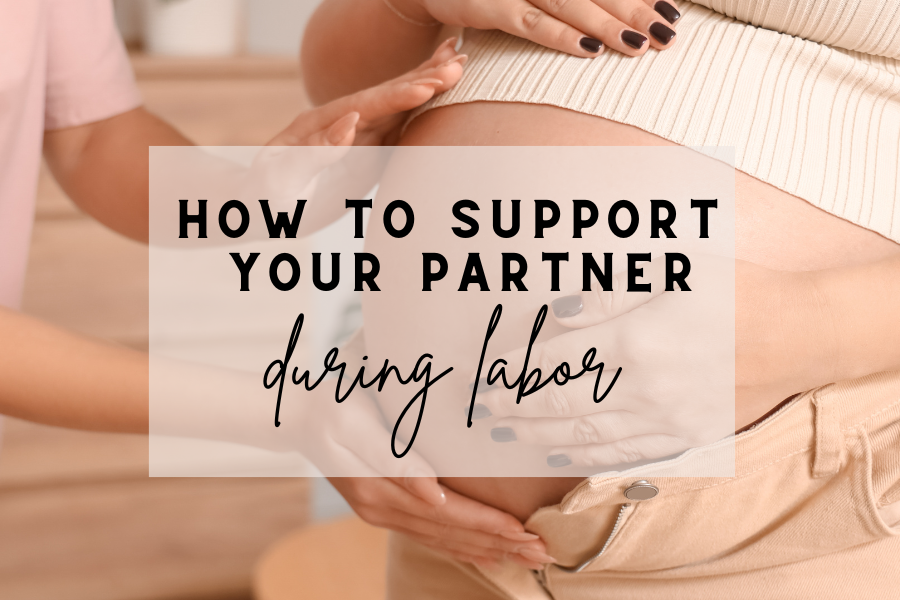
How Partners Can Help During Labor
When people picture birth support, they often think of the birthing person doing all the work.
But in reality, your partner plays a huge role in how supported, safe, and grounded you feel during labor.
Contractions are intense, but they are also purposeful. Having the right kind of support during each surge can help you stay regulated, conserve energy, and move through labor more efficiently. Here are some ways partners can help.

Top Early Labor Comfort Measures
Early labor is a unique phase.
Contractions are building, your body is preparing, and while things may still feel manageable, this is the perfect time to start using comfort measures that help you stay relaxed, supported, and in control.
The goal in early labor isn’t to “push through” discomfort. It’s to work with your body, conserve energy, and create an environment where labor can progress smoothly.
Here are some of our favorite, evidence-based comfort measures to use in early labor.
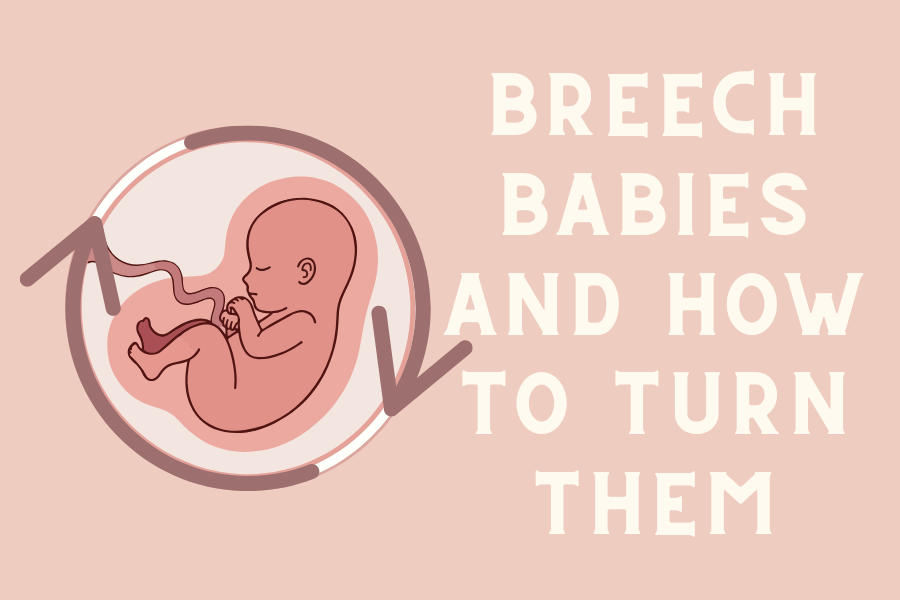
How to Turn a Breech Baby Naturally: Spinning Babies, Webster Technique & More
Hearing that your baby is in a breech position can feel overwhelming. But here’s the truth. Breech is a variation of normal, and you still have options.
There are gentle, evidence-informed ways to encourage your baby to rotate head-down, and many families are able to support this process naturally. Let’s walk through what this means and what you can do.