

Welcome to The Breezy Blog

How to Use the BRAINS Tool in Birth: Making Informed, Confident Decisions During Labor
Pregnancy and birth come with many decisions. Some are expected and discussed ahead of time, while others arise unexpectedly in the middle of labor, when emotions are high and time can feel limited. This is where having a simple, trusted framework can make all the difference.

What to Pack in Your Hospital Bag for Labor and Birth
Packing your hospital bag can feel exciting and overwhelming, or somewhere in between. You want to feel prepared without overpacking, comfortable without bringing your entire house, and confident that you will have what you truly need when labor begins. The good news is that you do not need much to birth your baby. A thoughtfully packed hospital bag can help you feel prepared as you head into labor and recovery. This guide walks you through what to pack for labor, postpartum recovery, your partner, and your baby, plus what you can safely leave at home!
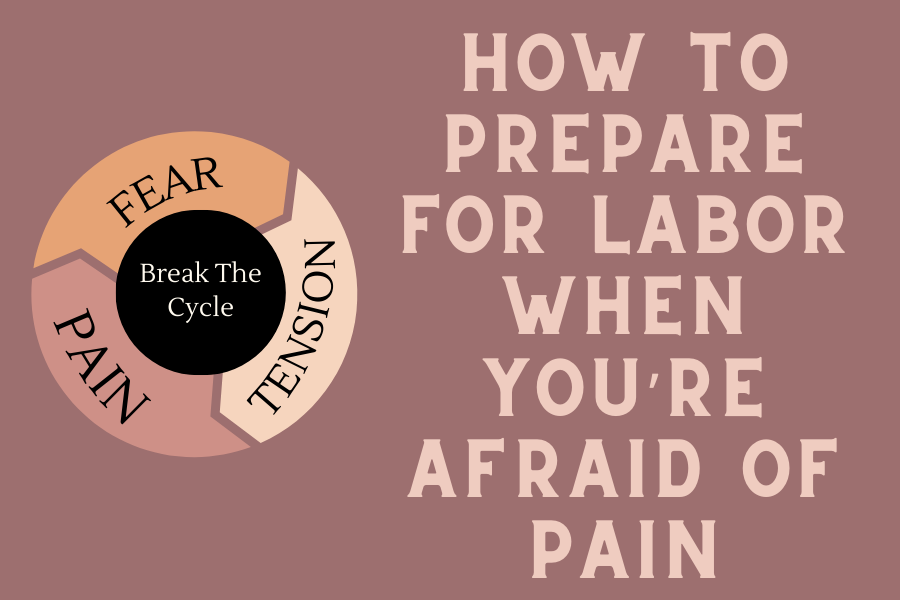
How To Prepare For Labor When You’re Afraid Of The Pain
If you’re feeling afraid of labor pain, you are not alone. Fear of pain is one of the most common concerns we hear from expecting parents, even those who feel confident in many other areas of pregnancy. Labor is unfamiliar, intense, and deeply physical, and our culture often reinforces the idea that birth is something to endure rather than experience. The truth is, labor sensations are not just about what your body is doing. They are also shaped by how supported, informed, and safe you feel. Understanding what actually causes labor pain and learning how to work with your body, rather than against it, can dramatically change how labor feels.
What To Know About Birthing Positions: Comfort and Working With Your Body
When we think about labor, many of us picture birth happening in one position, on the back, legs supported, waiting for the baby to arrive. While that image is common, it doesn’t reflect how birth often works best for most bodies. Birthing positions play a powerful role in comfort, empowerment, contraction efficiency, and how baby moves through the pelvis.

What Is a Postpartum Doula and How Do They Support Families After Baby Arrives?
Postpartum doulas offer evidence-based care, emotional support, and hands-on help to make the early days with your baby smoother and less overwhelming. Their role isn’t to take over parenting but to gently guide and walk beside you as you learn your newborn’s cues and settle into your new rhythm.
A postpartum doula supports the whole family by helping with:
Newborn care education
Feeding support (breastfeeding, pumping, bottle-feeding)
Soothing techniques and sleep shaping
Parental rest and recovery
Emotional support after birth
Light household tasks that reduce stress
Helping partners feel confident and involved
Normalizing postpartum transitions
Postpartum doulas bring a calm, grounding presence that steadies those early unpredictable days.

How to prepare for birth: Emotional Support, Advocacy, and Classes to Empower Parents
Birth can feel overwhelming without preparation — even when you have a supportive partner or medical team. That’s where emotional guidance, advocacy, and prenatal education come in. Knowing how to navigate fear, communicate your preferences, and support your birthing person through labor transforms the experience.
In this post, we’ll explore how emotional support and advocacy change the way families experience birth, how partners can step confidently into their roles, and how classes like HypnoBirthing® and Spinning Babies® give families practical tools to feel grounded, empowered, and ready for whatever unfolds.

What is a birth doula and how do they help during labor?
Learn what a birth doula is and how doulas support you through pregnancy, labor, the golden hour, and postpartum. Discover the benefits of continuous doula support for a calmer, more empowered birth experience.

What is Birth and postpartum Support and Why Does it matter?
What does your ideal birth look like — calm and connected, empowering and supported, or something else entirely? No two births are the same, and the support you have can make all the difference in how confident, safe, and empowered you feel. Birth support isn’t just a “nice-to-have” — it’s a key factor in reducing stress, improving outcomes, and helping families navigate their choices in a way that feels right for them.